OFFICIAL Written by GPN · Nov 13, 2026, 5:15 AM ET · · Tech
Google has outlined the privacy protections built into its new intelligent eyewear, covering both the person wearing the glasses and the people around them. The glasses use Gemini to answer questions about what the wearer sees, from translating a menu to describing small print for people who are blind or have low vision, and Google says that help should not come at the expense of anyone's privacy.
For wearers, camera visuals from Gemini queries are not saved in Gemini History and are not used to train AI models or target ads. Data stored on the glasses is encrypted, and data sent to a phone or the cloud for processing is encrypted in transit as well. Google also plans to bring its Private AI Compute technology to the glasses to process data in a secure space. Apps must ask permission before accessing the glasses camera for the first time, and wearers can grant or revoke access for each app at any time. A physical power switch on the frames turns the glasses off entirely so they can be worn as regular glasses.
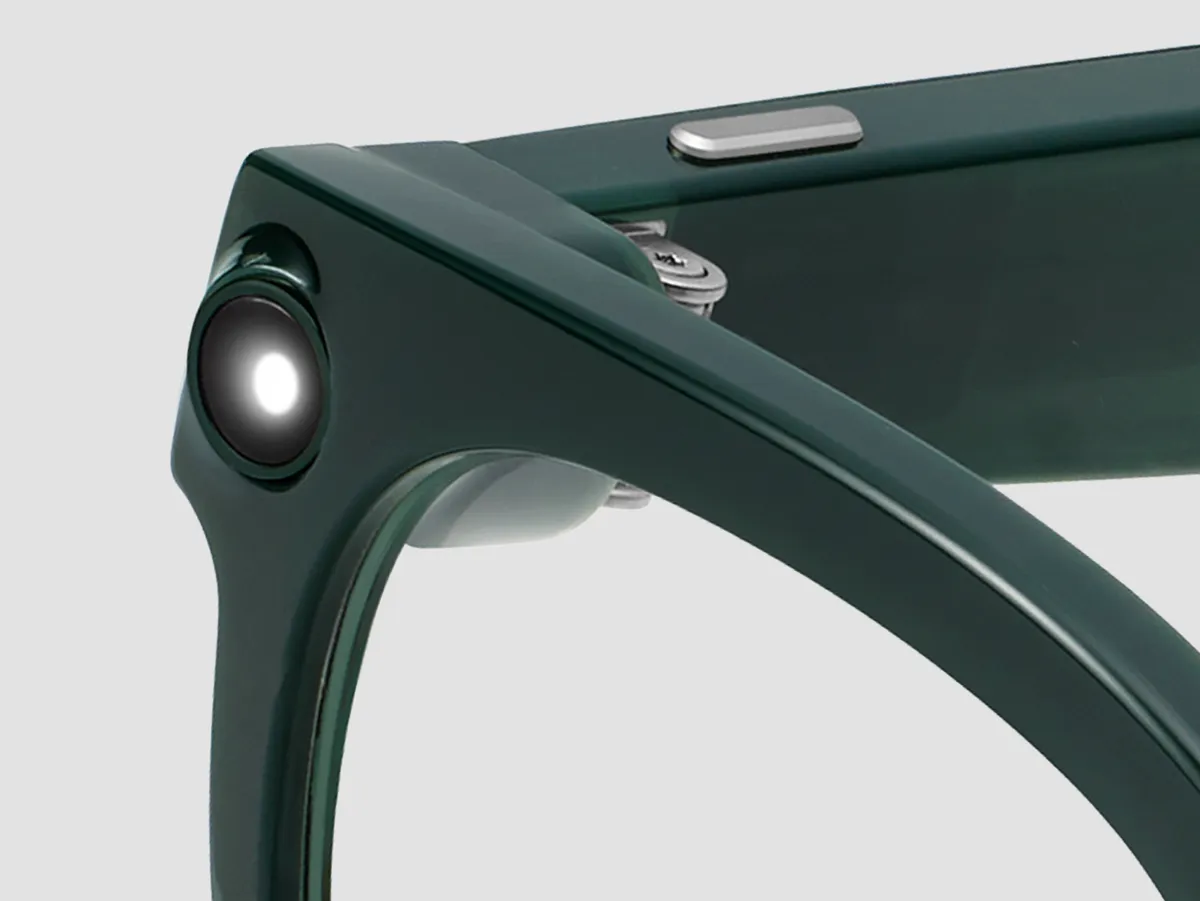
For bystanders, an outward-facing LED lights up whenever a photo or video is taken for the gallery, and sensors are designed to detect if the light is covered or tampered with and block capture in that case. The glasses are also designed to automatically redact bystanders' faces before images are sent to Gemini, and directional microphones help Gemini focus on the wearer's voice rather than the voices around them.
Google is also applying protections across its services to deter misuse. Users must agree not to record others without permission, not to record in sensitive places, and not to cover the indicator light, with violations potentially leading to the glasses being disabled. Google Shopping and Ads policies do not allow promoting products that disable or hide recording indicator lights on smart glasses, Google Play policies prohibit apps from using the camera for social live-streaming or real-time facial identification or from changing the indicator light's behaviour, and YouTube policies prohibit content such as harassment and unwanted sexualization regardless of what device recorded it. The eyewear is designed to be set up only with a compatible Google account for users aged 18 and over.
 ROG Harpe II Ace Mini Is a 47g Esports Mouse Shaped With VALORANT Champion Demon1 · Tech
 NVIDIA Wraps Up AI Day Seoul With More Than 2,000 Attendees, Robotics Demos, and a Korean-Language AI HackathonNVIDIA · Tech
 SteamOS 0.5.9 Beta Brings Room View Chroma Key and Foveated Sharpening to Steam FrameSteam Frame · Tech
 How Amazon Is Building an Internet Network 400 Miles Above Earth with Its Leo Satellite ConstellationAmazon Leo · Tech