OFFICIAL Written by GPN · Nov 11, 2026, 4:20 PM ET · · AI
Google DeepMind has announced AlphaGenome 2, its next-generation model for predicting how DNA sequences and their variations affect specific human cell types. The model is available now for non-commercial research through the AlphaGenome API, with commercial research access in private preview.
The original AlphaGenome, launched last year, predicted how DNA variants affect molecular activity across broad tissues. AlphaGenome 2 zooms in further, predicting effects in individual cell types and cell states — the difference between how a variant behaves in a heart muscle cell versus an immune cell fighting an infection, for example.
That focus matters because every cell carries the same DNA, but different cell types switch different genes on and off. A variant that drives disease in one cell type can be invisible in a broad tissue average. DeepMind says AlphaGenome 2 identifies nearly twice as many variants that change gene expression in cells as the previous model, finding 30% of causal variants on a large single-cell immune dataset compared with 16% before.
The model was trained on more than 100 million individual cell profiles across 68 tissues, using both bulk and single-cell data from human and mouse samples. It is a conditional model: alongside a million-letter DNA sequence, it takes a target biological condition — a tissue, cell type or state — as input at every stage, and it can also generate predictions for cell states it has never seen, from just a few dozen cells of single-cell data.
AlphaGenome 2 also adds DNA methylation to the readouts it predicts, alongside gene expression, histone modifications and chromatin accessibility. DeepMind has precomputed its predictions for trait-associated variants across hundreds of human cell and tissue conditions, covering traits from height to type 2 diabetes, to help researchers connect variants to the genes and cells where they act.
The model is intended for research use only and has not been validated or approved for clinical or diagnostic purposes.
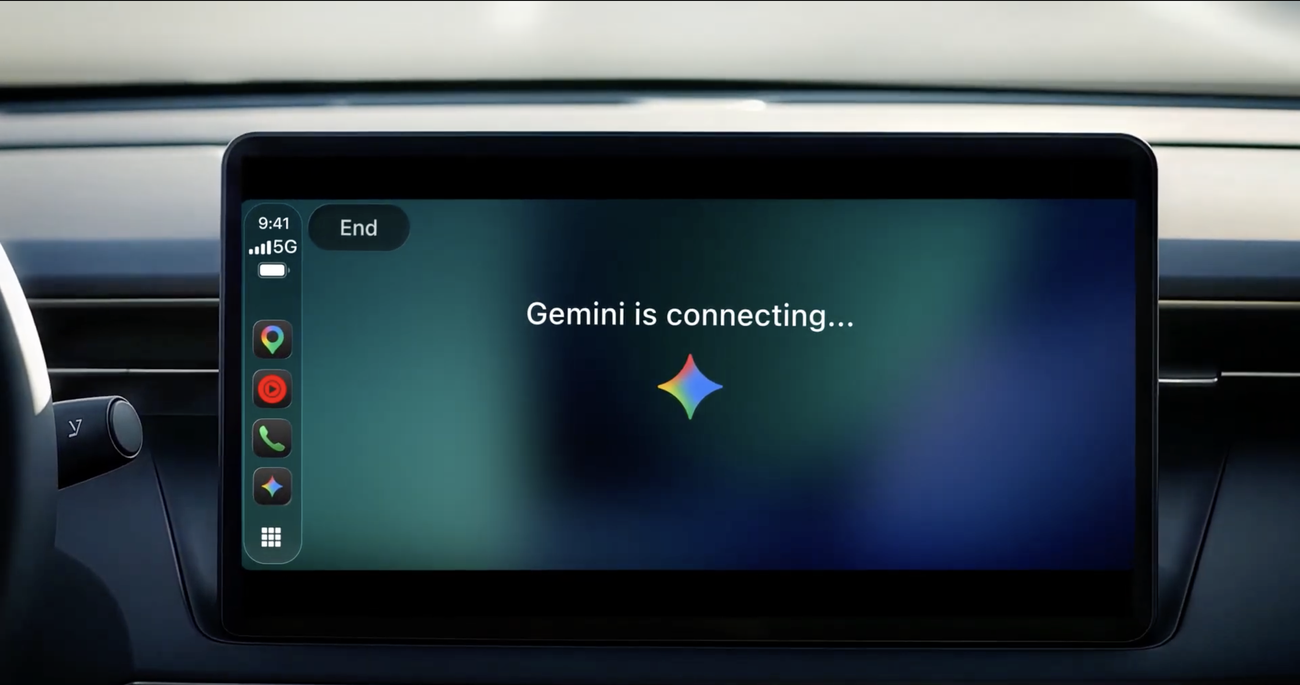 Gemini Comes to Apple CarPlay, Bringing Hands-Free Gemini Live to the Drive · AI
 OpenAI Gives Veterans and Transitioning Servicemembers a Free Year of ChatGPT Plus · AI
 Gemini Intelligence Reaches More Devices, With Motorola's First Model and New Features · AI
 OpenAI Launches Businesses in ChatGPT, With Business Hub and Business Agents · AI