OFFICIAL Written by GPN · Nov 16, 2026, 2:30 AM ET · Apple · AI
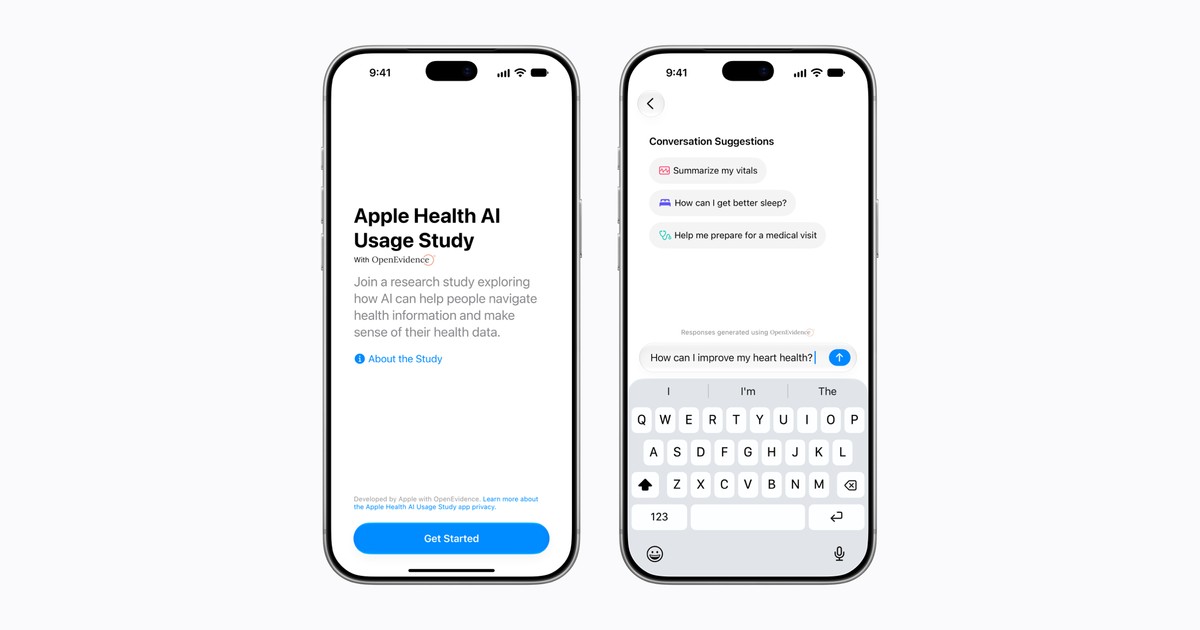
Apple has launched the Apple Health AI Usage Study in the United States, a virtual research study with an associated app, conducted in collaboration with OpenEvidence. The study aims to learn how people interact with conversational health AI tools and to inform the responsible design of health AI experiences for Apple and the wider industry.
The study will look at what drives user trust, the quality of the responses, how well people understand them, and the everyday health actions that follow. Participants can ask the study app everyday health questions, explore complex medical information explained in approachable language, and see linked, peer-reviewed clinical citations behind each answer. They can also choose to share HealthKit data such as resting heart rate, activity, sleep, or lab results, to explore how personal data affects relevance and understanding.
OpenEvidence is a clinical AI platform widely used by healthcare professionals, and its answers draw on medical information from established sources including The New England Journal of Medicine, the Journal of the American Medical Association, and Nature. Apple says the study pairs OpenEvidence's medically grounded AI with an Apple-designed research experience. Because large language models can sometimes give incomplete or unclear answers, the study is designed to learn how to present health information with greater clarity, and to explore whether health AI can help people better prepare for visits with their own doctors.
Apple says the study is built with privacy protections, transparency, and clinical guardrails from the ground up, and that study data will not be used to train AI models. Participants keep control over whether to share HealthKit metrics or survey responses, and the study app includes safety guardrails intended to flag certain concerning questions and suggest following up with a provider or other resources. Apple also notes the study app is not meant to diagnose or treat any condition, or to replace the advice of medical professionals.
The study is open to up to 200,000 eligible participants age 21 and older across the United States. Joining requires an Apple Intelligence-enabled iPhone — iPhone 15 Pro or later — running iOS 26 or later. Sumbul Desai, Apple's vice president of Health and Fitness, said responsible innovation starts with scientific rigor and clinical grounding, and that a dedicated research study is the most thoughtful way to understand how people engage with, comprehend, and evaluate health AI in everyday life.
Robert M. Wachter, professor and chair of the Department of Medicine at UCSF, said patients and clinicians are both turning to AI, but the tools they use are being built and tested in separate worlds, and that connecting those tools and studying what works rigorously is how the field gets there.
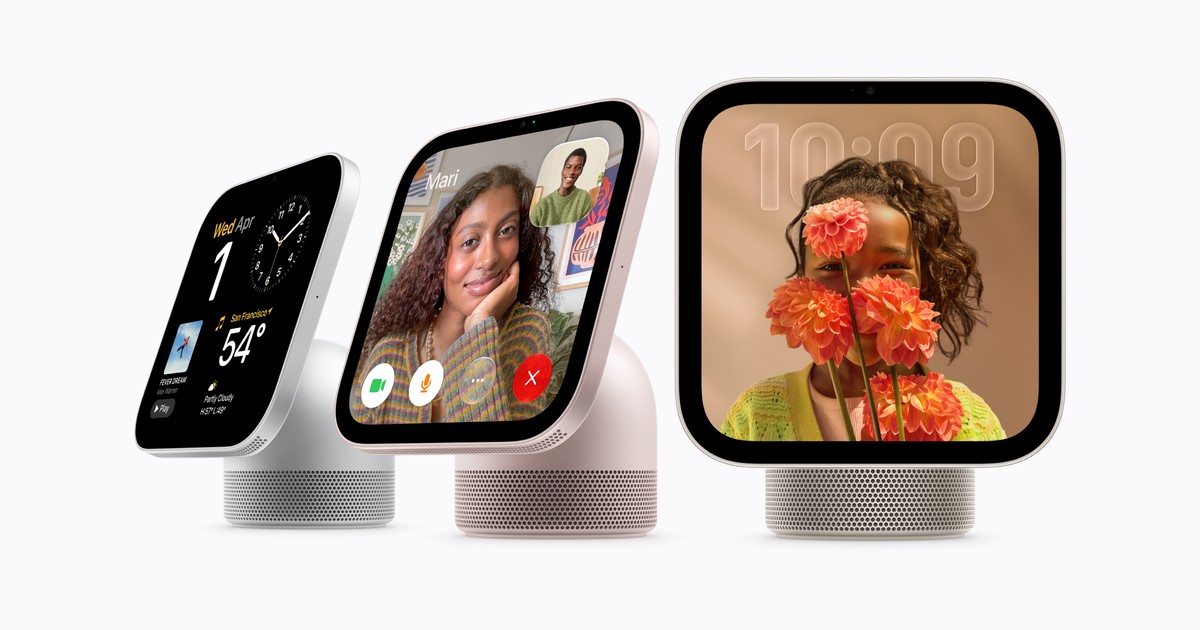 Apple HomeView available today: $299 smart display with Siri AIApple · Tech
 OpenAI Brings Computer-Use Agents and 20+ Plugins to ChatGPT for HealthcareOpenAI · AI
 OpenAI Opens a Science Blog to Show How Researchers Are Putting AI to WorkOpenAI · AI
 OpenAI Gives £1 Million to The King's Trust to Teach AI Skills to 25,000 Young PeopleOpenAI · AI