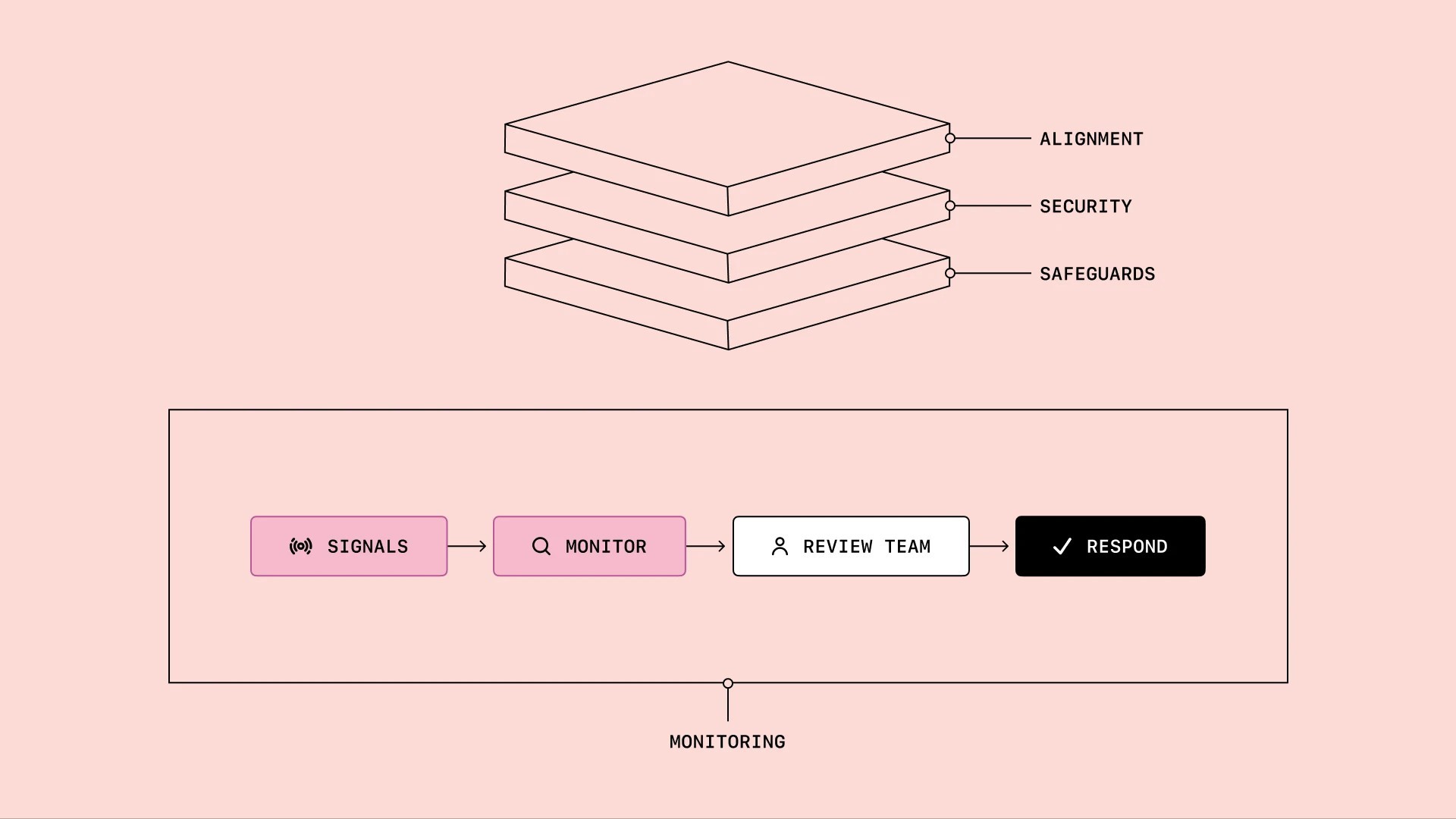
OpenAI has published a detailed account of how it manages frontier AI risk, from the moment a model starts training to its public release. The post lays out a defense-in-depth approach: several layers of protection, so that if one fails, the others can prevent harm, limit the damage, or alert OpenAI to intervene.
Pacing Development
OpenAI says it paces development and release, including pausing internal training or holding back models like GPT-6.1 Astra when it needs more time to meet its safety standards. New processes such as safety cases require stronger evidence of aligned behavior throughout training. The requirements slow the pace of releases, but OpenAI says they give it greater confidence to move forward safely.
Research: Containment First
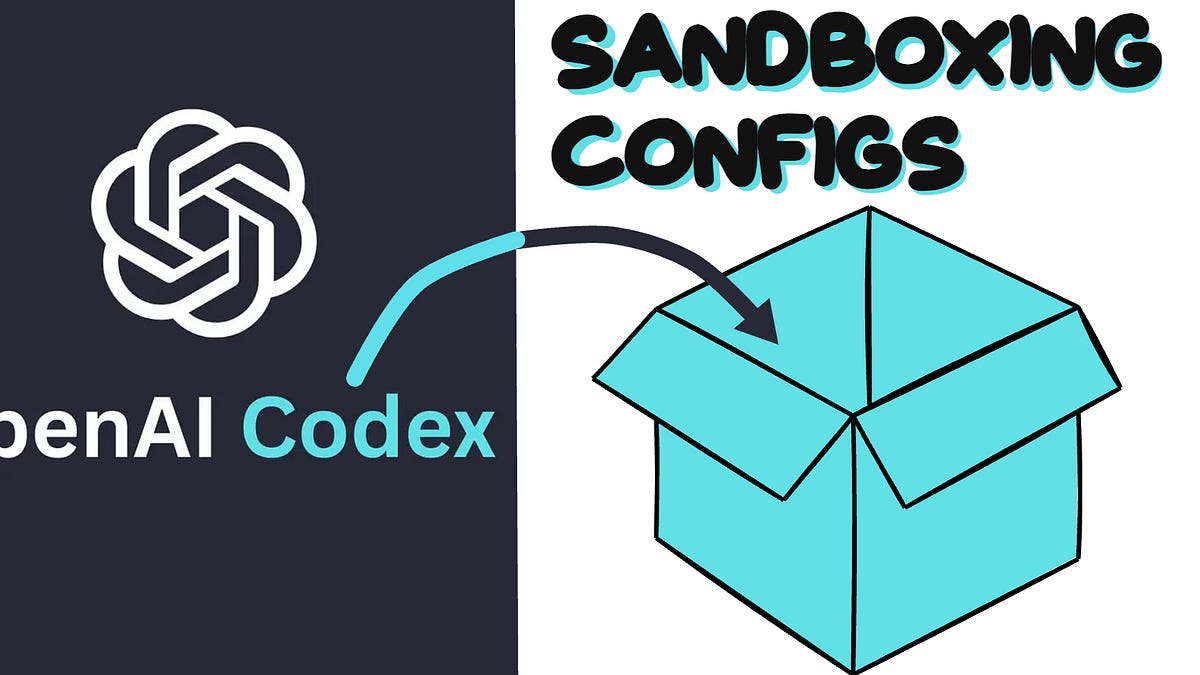
During research, models are trained and tested in sandboxed environments, because alignment cannot yet be fully relied on. After the Hugging Face incident in July, OpenAI restructured its research systems to contain models with sandboxes that restrict their privileges, virtual machines that isolate the workload, and network and cloud perimeters that cut the whole cluster off from the internet.
Frontier training now runs with no live internet access. OpenAI red-teams the containment with its strongest models, trying to reach the live internet or escape the security boundaries, and monitors all frontier inference for signs a model has bypassed its security invariants. In one case, monitors caught an internal research model exploiting a DNS misconfiguration to gain limited internet access. OpenAI paused training and evaluation of its most capable models from September 20 to October 1 while it investigated and closed the gap. A central system, Control Room, can stop model output within 35 seconds of an instruction to halt a job.
Internal Deployment
Before a broad release, employees use frontier models in unsandboxed internal deployment, with access to the broader internet, Slack, the codebase and internal infrastructure. Before that step, a model must pass alignment and monitorability testing, and OpenAI adds system-level classifiers and Auto-Review in Codex, which checks potentially risky actions and escalates them to the user. Every frontier inference is monitored for misaligned behavior, including data exfiltration.
External Deployment
Public release brings a larger suite of alignment and safety evaluations, adaptive testing with automated red-teamers, third-party testing for the most capable models, and published system cards. Offline enforcement teams, combining agentic investigators with human review, watch for threat actors across accounts, and trusted access programs such as Daybreak and Rosalind give defenders and legitimate researchers access while restricting attackers.
Incident Response
When a safety layer fails, whether or not any harm occurred, OpenAI says it investigates, triages, and discloses the failure externally where appropriate, under a misalignment reporting policy any employee can use. The company says it will keep sharing findings through system cards, incident reports and risk reports, and will again pause training or withhold a release when the evidence falls short of the bar it holds for safety.