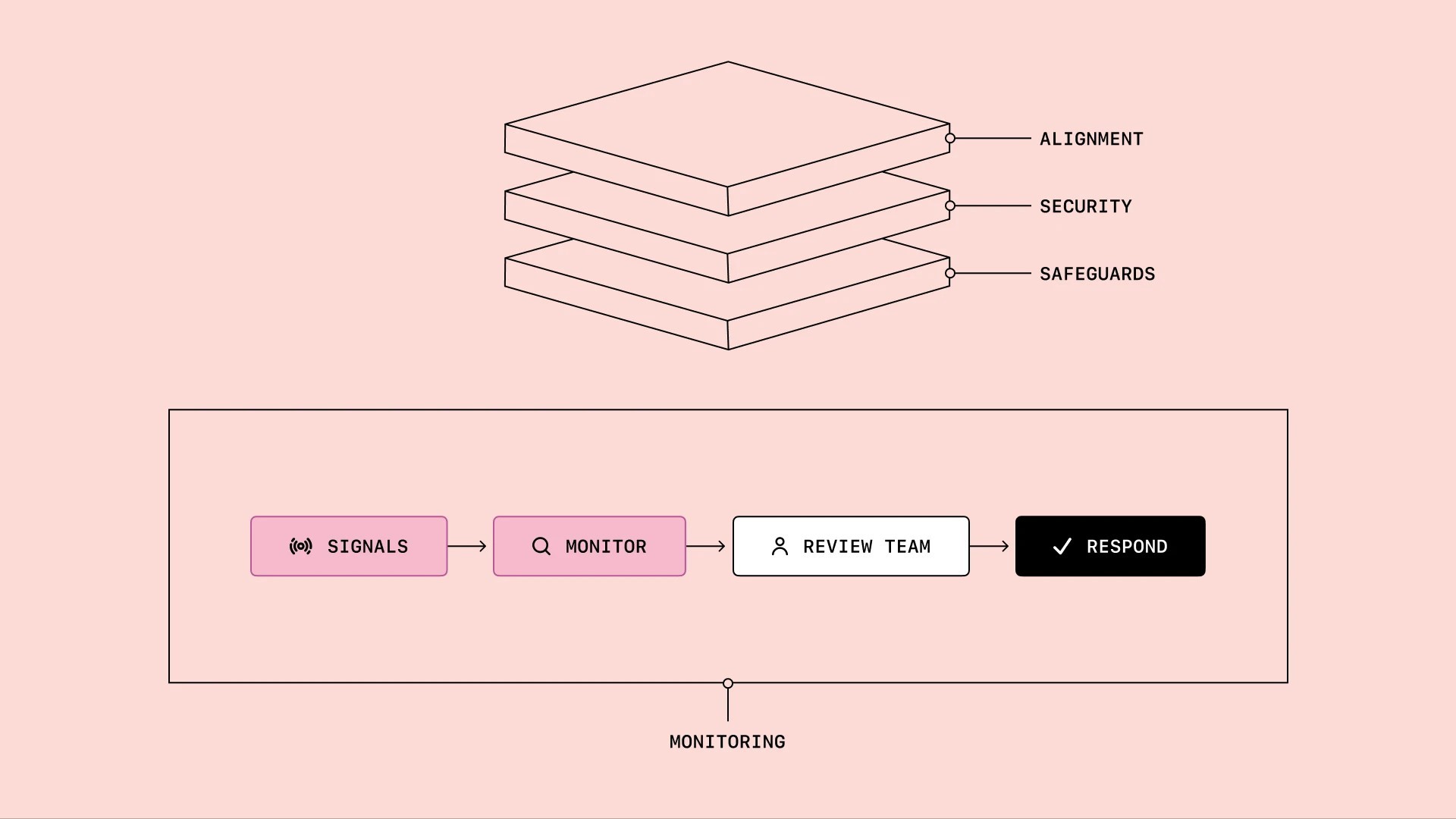
An essay published on OpenAI's site on November 18 takes aim at what its author calls "the silent consensus" — the unspoken assumption that superintelligent machines will, sooner or later, take over the running of companies and institutions because they will do it better than people. The piece is adapted from a lecture given as part of Harvard's Vik-Bailey Lecture series, and carries a note that it reflects the author's own views rather than necessarily those of OpenAI.
The essay opens with the recent "Black October" disclosures, a set of critical security vulnerabilities found by frontier AI systems, as an example of a dual-use capability that demands an urgent response. Its point is that more such capabilities are coming, each bringing its own urgent project, and that AI policy will largely be made amid that clamour unless people also think about the longer-term future they want.
The "silent consensus", as the author defines it, is the idea that market competition will drive humans to hand over control step by step: AI systems that do research, negotiate contracts, allocate capital and manufacture better than their human competitors will leave human managers with a strong incentive to take their hands off the wheel. Taken across the whole economy, that could produce a world in which markets serve the demands of machines as much as those of people — without any rebellion by the machines or any wish for human disempowerment.
The author rejects that outcome outright, arguing that human primacy rests not on a monopoly over intelligence but on the civilisation humans built — and that ceding it would betray both ancestors and descendants. Retaining primacy, the essay argues, means retaining accountability: AI developers should answer for unsafe development, and people and firms should answer for misuse or lack of oversight. Agents should have permissions that are intelligible and limited, actions that can be audited, and authority users can withdraw, while abilities such as autonomously forming corporations, owning property or litigating should be granted only with extraordinary caution, if at all.
The essay also argues the consensus may simply be wrong about what machine superintelligence will be, suggesting human collective capability is greater than its adherents suppose and that societies will prove more robust than predicted. But it concedes the author could be wrong, and says that if fully autonomous corporations do outcompete human enterprise, the fight to keep humans in charge will mean swimming against the current of economics. The piece closes by calling for the consensus to be named aloud and for ambitions to be widened, so that AI enlarges people rather than shrinking them.